Salem — Wicked, Witches, and Pirates
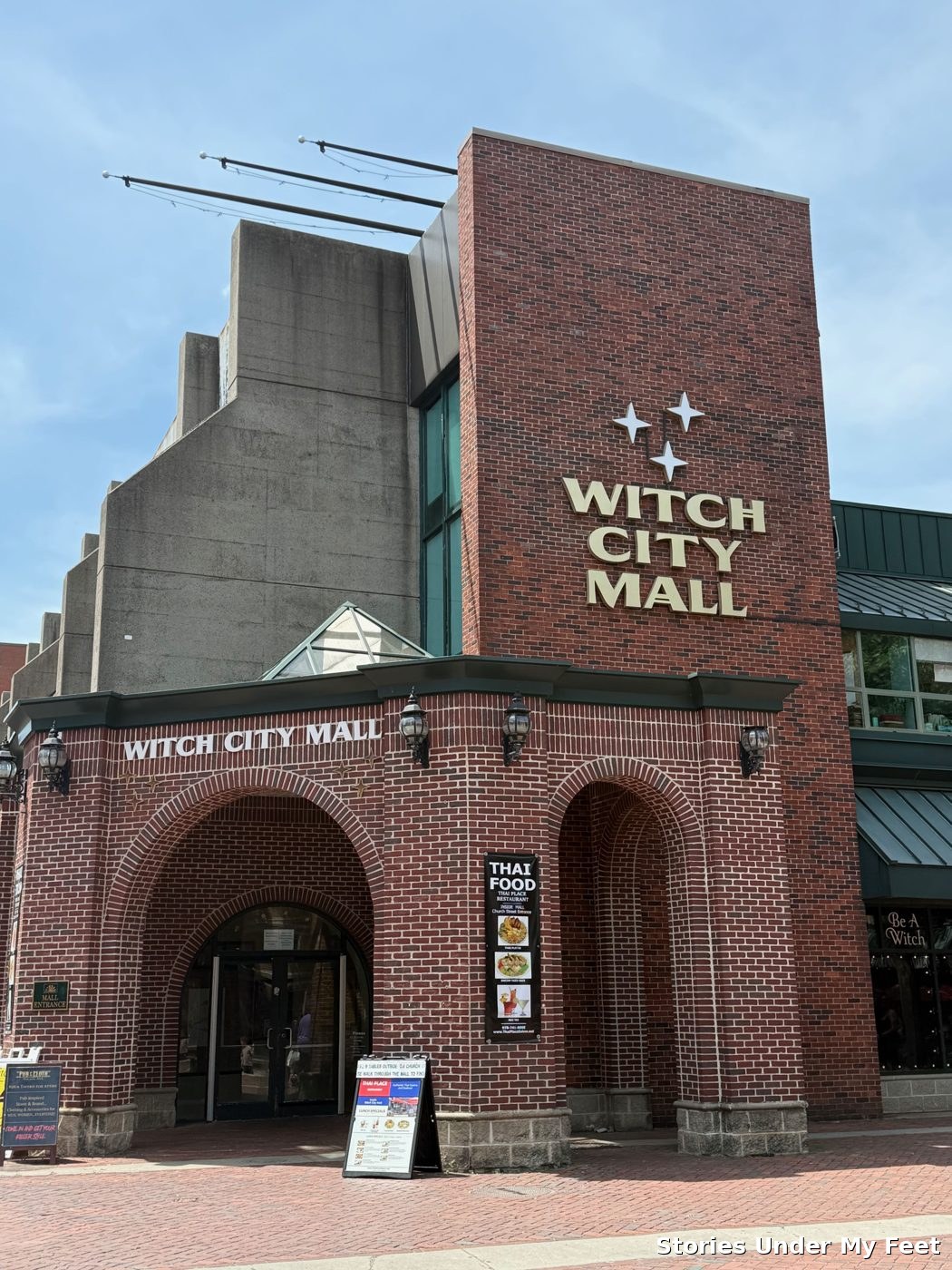
Salem is celebrating 400+ years in 2026 — that's the town's own founding anniversary (1626, by Roger Conant), separate from the national 250th. The "+" is a deliberate nod to Indigenous life here going back much further, on land originally called Naumkeag.
The city really is "wicked, witches, and pirates." The witch-trial history is famous, but Salem's deep harbor also made it a serious privateer base during the Revolution and the War of 1812. One correction I picked up: nobody was burned — 19 people were hanged, and one man, Giles Corey, was pressed to death with stones. Burning wasn't a legal colonial execution method; that's a European myth that stuck to Salem.
I also learned about Charlotte Forten Grimké, a Black abolitionist poet who came to Salem in 1854, attended its recently desegregated schools, and became one of the first Black teachers of formerly enslaved children. There's a park named for her right on Derby Street.
Salem Maritime National Historic Site — Established 1938, the first National Historic Site ever designated in the U.S. The old Custom House was worth it — Nathaniel Hawthorne worked there as a customs officer before writing The Scarlet Letter. Tourists cosplay witches everywhere and black cats sit on every shop shelf. Honestly, I loved it.